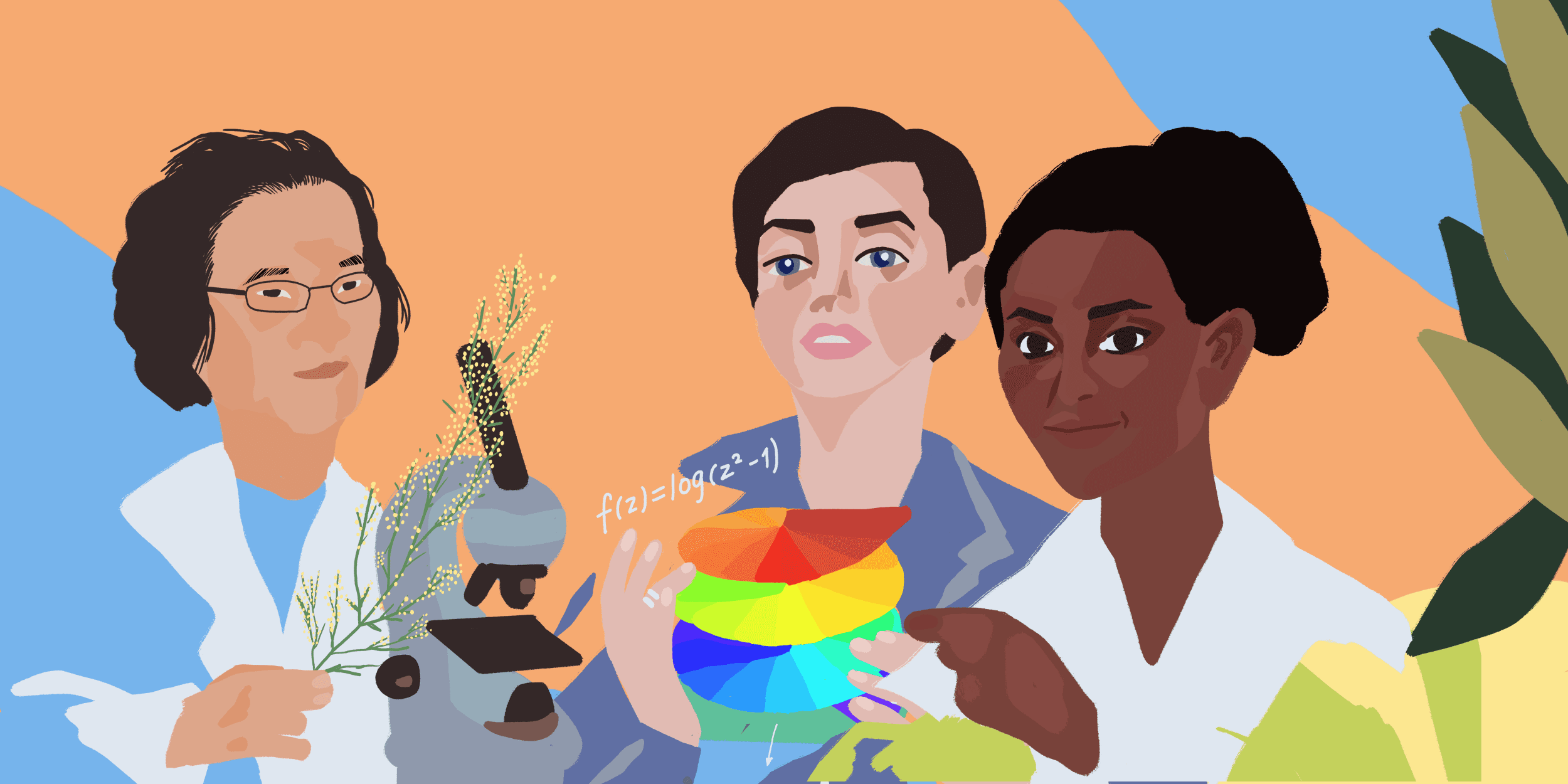
It is no surprise that women have been significantly disproportionate in the science field compared to men. The erasure of prominent women in science has been a constant occurrence and wasn’t till more recent years in which women began getting the recognition they deserve.
From Marie Curie, a physicist and chemist who discovered radiation and helped apply it in the field of X-rays, to Esther Lederberg, a microbiologist who conducted groundbreaking research in the field of genetics, many women in science were left behind and often forgotten.
The lack of recognition and credit towards women in the scientific field was the main reason for the creation of the #InternationalDayOfWomenAndGirlsInScience. On December 22, 2015, the General Assembly decided to establish an annual International Day to recognize the critical role women and girls play in science and technology, through Resolution A/RES/70/212 (link is external).
The International Day of Women and Girls in Science celebrated on February 11th is implemented by UNESCO and UN-WOMEN in collaboration with institutions and civil society partners that aim to promote women and girls in science.
This day is an opportunity to promote full and equal access as well as participation in science for women and girls. Gender equality is a global priority for UNESCO and the support of young girls, their education, and their ability to make their ideas heard are levers for development and peace.
In 2020, only 30% of researchers worldwide were women, and only 35% of all students enrolled in STEM-related fields of study were women.
Recent studies have found that women in STEM fields publish less, are paid less for their research, and do not progress as far as men do in their careers. Girls are often made to believe they are not smart enough for STEM and boys and men have a natural affinity for the field.
“Despite these setbacks, women and girls continue to lead innovation and ground-breaking research. They have created life-saving medicine and broken the sound barrier, explored the universe, and laid the foundation to understand the structure of DNA. They are inspiring role models for our future generations. Our future will be marked by scientific and technological progress, which can only be achieved when women and girls are creators, owners, and leaders of science, technology, and innovation. Bridging the gender gap in STEM is vital to achieving the Sustainable Development Goals and for creating infrastructure, services and solutions that work for all people” says the UN-WOMEN Organization.
Today, we’re celebrating International Day of Women and Girls in Science and calling on everyone to smash stereotypes, defy gender biases, and defeat discrimination that holds women and girls back in STEM fields.
This year’s celebration of the Day will address the theme “Women Scientists at the forefront of the fight against COVID-19” and will gather together experts working in fields related to the pandemic from different parts of the world. If you want access to the virtual event click on this link: https://events.unesco.org/event?id=1008262432&lang=1033
Cover Art by Daria Koshkina
Sources: UNESCO, UN-WOMEN, and the UN